
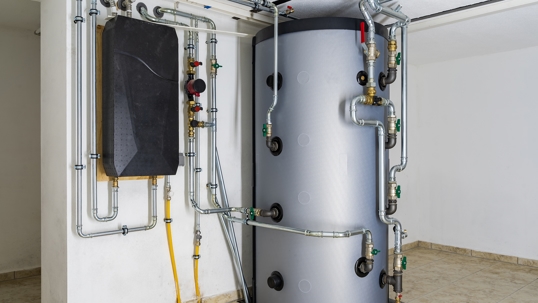
Upgrading to a tankless water heater in an older Colorado Springs home can feel daunting, but the rewards are significant when done right. Historic houses in our region bring character and charm—along with a unique set of plumbing and electrical challenges. As a homeowner, you deserve solutions tailored to your property’s specific needs. By understanding key considerations for tankless installation in old homes, you can ensure the process is smooth, energy-efficient, and built to last for Colorado’s climate. Our team at Awesome Home Services is committed to helping local homeowners navigate every step of this upgrade with clarity and confidence.
Why Is Retrofitting a Tankless Water Heater in Colorado Springs Older Homes a Unique Project?
Older properties often contain a web of outdated pipes, original wiring, and unique spatial layouts that distinguish them from newly constructed homes. In many Colorado Springs neighborhoods, homes built in the mid-20th century—or even earlier—pre-date current plumbing and electrical standards. Tankless systems have different requirements than traditional water heaters and are more sensitive to water flow, gas supply, and venting specifics. Fitting these modern units into older spaces typically involves far more than a simple swap, especially where original plumbing or outdated venting exists.
Retrofitting in established neighborhoods can also mean working in tight basements or alongside legacy appliances. Existing pipes made of galvanized steel or early-generation copper might be corroded or undersized for the demands of a tankless unit. At the same time, masonry walls or plaster might limit your options for safe and efficient vent routing. Unlike traditional water heaters that rely on slower, stored heating, tankless systems require consistent, high water flow and energy inputs—attributes that many vintage homes lack without upgrades.
In addition, Colorado’s dry climate and fluctuating winters affect how tankless systems function over time. Expansion from freeze-thaw cycles can stress older pipes, and hard water can accelerate scale buildup within delicate heater mechanisms. Local companies like Awesome Home Services know the quirks of these historic properties and are experienced in delivering reliable, people-first solutions that balance the integrity of your home’s character with modern performance and safety.
How Can I Evaluate If My Older Home Is Ready for a Tankless Water Heater Installation?
Before moving forward, conduct a thorough assessment of your home’s current utility infrastructure. Start by inspecting visible plumbing for corrosion, mineral deposits, or tubes with restricted diameter. Homes with original galvanized water lines or aging copper often suffer from reduced water pressure and flow—problems that can undermine a tankless unit’s efficiency or operation. Addressing plumbing services limitations upfront narrows down which models and outputs are realistic for your household’s needs.
Next, check your water heater’s current energy source. Gas tankless systems require a robust, properly sized gas supply, much stronger than most old water heaters. Electric tankless units, while convenient in some retrofit scenarios, often require more amperage than legacy panels can provide. Review your home’s electrical panel for available circuits and amperage. Homes with 100-amp or older fuse boxes might need an upgrade to safely support modern appliances.
Finally, look at both your property’s hot water usage patterns and the available space for installation. Tankless water heater installation benefit homes with clustered or predictable water demands but may struggle with simultaneous, multi-zone usage unless sized appropriately. Consider family routines, the number of bathrooms, and the distance from heater to fixtures. Consulting a local, knowledgeable installer allows for a tailored assessment, ensuring your old home is matched to the right tankless technology for daily comfort and compliance with Colorado Springs building codes.
What Plumbing Upgrades Are Required for Tankless Water Heater Installation in Vintage Homes?
When installing a tankless water heater in a home built decades ago, plumbing upgrades are nearly always necessary for safe operation and long-term reliability. Original pipe diameters often fall short of the minimum 3/4-inch water supply required by most tankless models, while older materials like galvanized steel can decrease both pressure and flow. If not corrected during installation, these factors can lead to inconsistent water temperatures or cause the new unit to work harder, reducing longevity.
Expect to replace or reroute corroded pipe repair sections, especially near the water heater site or main supply line. Upgrading old shutoff valves, pressure relief valves, and connections helps bring your system up to current code—enhancing both safety and performance. In some homes, the installation may uncover a patchwork of copper, steel, and plastic pipes joined over many decades. A professional approach is required to unify these systems safely and reliably before introducing advanced tankless technology.
Additional considerations include condensate drainage for high-efficiency gas models and the installation of backflow prevention devices. These features protect your new system and overall water quality, ensuring compliance with contemporary health and safety codes in Colorado Springs. Drawing on regional experience, our team at Awesome Home Services can recommend proven solutions that respect your home’s layout and minimize disruption during the upgrade.
Do Electrical Systems in Older Homes Need Upgrades for Tankless Water Heater Retrofits?
Most electric tankless water heaters demand a level of electrical service that many Colorado Springs homes built before the 1980s simply do not possess. These units often require dedicated circuits, higher amperage, and reliable grounding. If your home uses a fuse box or has reached maximum panel capacity, you will likely need an electrical panel upgrade to accommodate the new unit safely and legally.
Even for gas tankless models, electricity is necessary to power ignition and safety controls. Old or mixed wiring types, such as knob-and-tube or aluminum, may not be compliant with current code or capable of handling the added load.
An inspection by a licensed electrician should include:
- Reviewing panel amperage and confirming open breaker slots
- Assessing wiring condition for age, damage, or outdated materials
- Checking grounding and bonding for safety and system protection
Completing these upgrades ahead of time helps avoid delays or safety hazards during installation, and also assures compliance with Colorado Springs electrical permits and insurance standards.
Committing to appropriate electrical improvements protects your home and family—while also unlocking the real energy savings and convenience promised by tankless systems. Teams grounded in local service, like Awesome Home Services, are familiar with regional code updates and can often anticipate what older homes in our area require. Transparent communications and thorough assessments lay the groundwork for a successful upgrade in vintage properties.
What Local Building Codes and Permits Govern Tankless Water Heater Installation in Colorado Springs?
Installing a tankless water heater in Colorado Springs involves navigating city and county permits, especially for major utility upgrades. The city requires detailed permitting for both plumbing and electrical work, and inspections follow strict adherence to the International Residential Code (IRC) and local safety amendments. These codes apply to older homes as well as new construction—meaning even hidden or non-visible work from previous decades may need brought up to code during your project.
For homeowners, the permit process can uncover outdated work previously hidden behind walls or under floors. City inspectors may require upgrading existing gas lines, correcting vintage electrical issues, or remediating unpermitted piping before final approval. This aspect of tankless installation is crucial, as unpermitted or out-of-code work discovered later can delay home sales or complicate insurance claims.
Partnering with a local company ensures faster, smoother communication with city agencies and helps secure scheduled inspections at convenient times. Familiarity with common issues in historic neighborhoods positions experienced teams like Awesome Home Services to anticipate challenges and keep your installation compliant—preventing costly surprises or delays along the way. Open dialogue about permitting timelines and code risks is key to project transparency in older Colorado Springs homes.
What Unexpected Costs Should I Anticipate for Tankless Installation in an Older Home?
Retrofitting a tankless water heater in an older home often involves additional expenses beyond the retail price of the equipment and basic labor. Many surprises during the process stem from uncovering hidden problems, such as water-damaged studs in basement walls or previously unknown code violations. The scale of these upgrades affects overall cost and sometimes extends timelines, especially if work can only proceed after city inspection sign-off or parts arrive for legacy plumbing repairs.
Specific costs to account for include:
- Running new plumbing or electrical lines when original pathways are inadequate or inaccessible
- Drilling or routing vents through thick masonry or multi-level walls to meet updated code
- Replacing or repairing historically patched-together plumbing and electrical systems
- Permitting fees and costs related to “discovery” upgrades uncovered by inspectors
- Water filtration or descaling solutions to counter Colorado Springs’ hard water in older plumbing systems
Planning for these potential expenses provides a realistic picture when deciding whether to invest in tankless water heating for your classic home. By building flexibility into your project budget, you can address unforeseen repairs or improvements immediately, ensuring a safer and more efficient result. Transparent estimates and open communication help homeowners avoid sticker shock partway through the process, which is why many in Colorado Springs value working with teams who know the realities of historic home retrofits.
How Does Colorado Springs Water Quality Affect Tankless Water Heater Performance?
Colorado Springs is known for moderate to hard water, which means higher concentrations of minerals such as calcium and magnesium travel through pipes and fixtures. When heated rapidly—as in a tankless unit—these minerals precipitate out and form scale deposits inside heat exchangers. In vintage homes, this buildup can accelerate if pipes already shed rust, debris, or sediment, exposing the new system to increased scale risk.
Scale buildup reduces both energy efficiency and the heater’s operating life over time. Units operating in hard water environments require more frequent maintenance and descaling. If neglected, limescale can lead to lower hot water output, reduced system efficiency, and unexpected system failures. Homeowners should be aware that warranty coverage for scale-related damage is limited, meaning preventive maintenance is a must in Colorado Springs communities.
To address these challenges, consider installing whole-home filtration, point-of-use filters, or water softeners during or before a tankless installation. Routine professional service—such as annual descaling—can keep heaters running at peak output even in older plumbing networks. At Awesome Home Services, our experience with regional water quality means we can recommend tailored water treatment products, keeping your tankless upgrade hassle-free and cost-effective for years to come.
Does a Tankless Water Heater Upgrade Boost My Home’s Value and Energy Efficiency?
Tankless water heaters offer several tangible benefits for older Colorado Springs homes, starting with improved energy efficiency. Unlike storage tanks that keep water hot 24/7, tankless units activate only on demand—eliminating standby losses and providing hot water instantly when needed. In homes where energy savings are a priority, tankless systems can help reduce monthly utility bills, provided the installation is properly matched and maintained.
Many local buyers now seek houses with updated systems, and a new tankless heater projects modernity and reliability. Home inspection reports typically flag old water heaters nearing the end of their lifespan. Replacing these with a high-efficiency, wall-mounted unit not only unlocks extra storage space but also signals that the rest of the home’s mechanical systems have kept pace with technology and safety standards.
While precise value gains depend on market trends, property size, and the overall condition of the home, most local realtors agree that tankless upgrades enhance resale appeal and future-proofing. Combining increased comfort with reduced environmental impact, these upgrades are a smart investment for older homes in Colorado Springs looking to compete in a modern housing market.
What Are the Most Frequent Mistakes When Upgrading to Tankless Systems in Vintage Houses?
Homeowners sometimes underestimate the complexity of switching to a tankless water heater, particularly when unknowns lurk within older walls. One common error is assuming direct replacement—simply swapping tanks for tankless—without considering pipe size, age, or layout. Insufficient water flow or pressure can cause the new heater to operate unreliably or even void its warranty.
Another frequent pitfall involves sizing and location choices. Choosing the wrong model for your home’s peak simultaneous usage—particularly in large or multi-bathroom properties—leads to lukewarm water and user frustration. Poor placement can also force exhaust venting through several walls or up narrow chimneys, creating both code compliance issues and increased installation costs.
Lastly, skipping critical inspections or attempting complex electrical and gas upgrades as a DIY project increases the risk of failed inspections or safety hazards. By investing in a comprehensive site review with a professional, you gain a clear plan, reduce last-minute surprises, and avoid the costs of rushed, non-compliant work down the road.
How Long Does Tankless Water Heater Installation Take in Older Colorado Springs Homes?
Timelines for tankless water heater installation vary widely in older homes, depending on the property’s age, current plumbing and electrical setup, and the extent of upgrades required. For straightforward replacements involving compatible infrastructure, the work can be completed in one or two days. However, when older pipes, wiring, or venting need to be replaced or rerouted, or if city permitting and inspection schedules are delayed, the process may stretch to several days or even over a week.
Typical tankless installation projects include:
- Initial assessment and system selection
- Securing the necessary permits through Colorado Springs officials
- Demolition and removal of the old water heater
- Plumbing and/or electrical upgrades identified during assessment
- Tankless unit mounting and connection
- Venting and drainage installation
- Comprehensive system testing and final inspection
Expect that unforeseen discoveries—like hidden water damage or code violations—could add unplanned time. Clear communication about timelines and the possibility of temporary disruptions to water service helps families plan ahead. Working with a team that’s available 24/7, values transparency, and keeps you informed is essential for a smooth installation. At Awesome Home Services, our community ties allow us to anticipate local permitting patterns and coordinate work effectively so your project stays on track.
Which Tankless Water Heater Models Work Best for Older Homes in Colorado Springs?
Selecting the right tankless water heater for your classic Colorado Springs property depends on matching output to household needs, available energy sources, and infrastructure limits. Begin by identifying your family’s maximum simultaneous hot water demand in gallons per minute, taking into account showers, appliances, and winter water temperatures—which can affect efficiency and output.
Gas-powered tankless models generally deliver higher GPM and rapid heating, but require more robust gas supplies and venting solutions. Electric models offer convenience and compactness, but require panel upgrades and dedicated circuits, which can be substantial in older homes. Consider future plans for additional fixtures or home expansions, as well as access to natural gas lines when weighing your choices.
Advanced features to prioritize include integrated scale-prevention technology, flexible venting options, and adaptive controls for Colorado’s fluctuating temperatures. Consulting with a contractor who understands regional and historic home demands—like our veteran-led team at Awesome Home Services—ensures you install a unit prepared for years of reliable performance, value, and comfort.
Why Work with a Local, Veteran-Led Team for Your Tankless Water Heater Project?
Choosing a local company rooted in Colorado Springs provides advantages at every step, from assessment to follow-up. Our leadership at Awesome Home Services brings decades of community experience, informed by Air Force values of integrity and service. We understand the nuances of older homes and are committed to supporting homeowners with direct, honest advice and personalized communication.
Community ties mean our team members live and work alongside the families they serve, so they understand neighborhood layouts, local building codes, and common vintage home issues. This results in recommendations designed to stand the test of time in Colorado’s unique climate and housing market, rather than one-size-fits-all solutions.
Working with a team focused on customer satisfaction means you benefit from upfront pricing, transparent scheduling, and 24/7 support for pressing questions or emergencies. This positive, people-centered approach is why so many Colorado Springs homeowners trust Awesome Home Services for tankless water heater upgrades and beyond—ensuring your home is cared for today and set up for the future.
If you are ready to explore a tankless water heater upgrade in your older Colorado Springs home, connect with our team at Awesome Home Services. Give us a call at (719) 800-7121 for transparent guidance, honest advice, and a commitment to lasting comfort and community values.
