
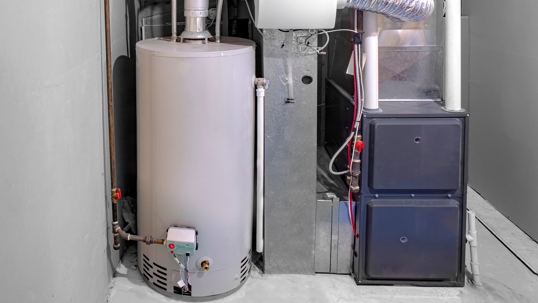
Here in Colorado Springs, our winters can be demanding on your home’s furnace. Handling preventive furnace maintenance yourself not only saves money but also extends the life of your system. Because our dry climate and high elevation create unique maintenance challenges, homeowners here need advice crafted for local conditions. In this guide, we will share actionable DIY furnace maintenance tips for Colorado Springs, giving you the confidence to protect your home, keep energy bills in check, and respond wisely when things go wrong.
What Furnace Maintenance Tasks Can Homeowners Safely Handle in Colorado Springs?
Plenty of crucial furnace maintenance tasks fall within a homeowner’s reach. The most approachable is changing your furnace filter—an essential defense against Colorado dust and pollen. Keeping return air grilles and supply registers free from blockages ensures consistent airflow and healthier indoor air. Surface cleaning is another simple, effective habit. Wiping down the exterior of your furnace with a damp cloth and vacuuming around the base help reduce the buildup of dust and pet hair that can sneak into your system, especially during dry, windy months.
Visual inspections are just as important. Walk around your home and check for debris around outdoor vents—blown snow, leaves, and dust often clog these intakes in our region. Make sure nothing is stacked or stored near your furnace; the area should stay clear for safe operation. Also, check the thermostat to confirm it maintains the proper settings, and replace its batteries regularly to avoid mid-winter surprises.
You can safely clean the supply and return registers with a vacuum and a soft brush, paying extra attention to areas where dust or pet fur collects. If possible, gently vacuum the accessible parts of the blower compartment after shutting off the unit. Avoid reaching into or disassembling any internal components. When you stick to these manageable maintenance jobs, you help your furnace run smoothly and maintain safe, efficient heat all winter.
How Often Should You Perform Furnace Maintenance for Colorado’s Climate?
Our dry air, high elevation, and frequent dust storms mean that routine furnace maintenance should happen more often than national averages recommend. Homeowners should check and replace the furnace filter every one to two months, or more frequently during windy or dusty seasons. If your home includes pets or you have allergy sensitivities, aim to inspect filters even more frequently.
Visual checks and basic cleaning on a monthly basis reduce the risk of blockages or dirt buildup. Every quarter, plan a thorough walk-through: confirm exterior vents are clear, inspect for unusual noises or vibration, and check your thermostat’s operation. After Colorado’s notorious spring and fall windstorms or heavy snowfall, double-check that vents and intakes remain unobstructed.
Every fall—before you rely on your furnace for daily warmth—schedule a yearly inspection with a licensed HVAC professional. This ensures your DIY routine dovetails with comprehensive safety tests, efficiency adjustments, and deeper assessments you cannot perform yourself. Keeping track of these tasks with a checklist or reminders can make it simple to stay on schedule.
What Warning Signs Mean You Need Professional Furnace Help Right Away?
Some furnace problems should be addressed by a professional as soon as they’re noticed. Odd or persistent odors, particularly a burning or chemical smell near the furnace, can signal electrical problems or overheating components. If you ever notice the distinctive odor of natural gas (like rotten eggs), leave the home immediately and contact emergency services before reaching out to a service provider. Ignoring these signs may risk your safety and cause damage to your home.
Loud bangs, rattling, grinding, or screeching noises are never normal. These sounds might point to a slipped belt, worn bearings, loose parts, or motor issues—all problems that require tools and diagnostics most homeowners don’t have. Another urgent warning is when your carbon monoxide detector sounds an alarm near the furnace. Open doors and windows, evacuate the space, and seek immediate assistance. Quick action is critical to protect your family from toxic exposure.
Other red flags include the furnace repeatedly turning on and off in short cycles, uneven heating throughout your home, and unexplained rises in your energy bills. These symptoms suggest hidden issues, such as faulty thermostats, clogged filters, or deteriorating internal parts. Professional support from a fully licensed local team like Awesome Home Services is available 24/7 should any of these safety concerns arise during the Colorado winter.
Must-Have Tools & Supplies for DIY Furnace Maintenance
Preparing a reliable toolkit allows you to carry out Plumbing Services efficiently and safely. The basics include a multi-head screwdriver, LED flashlight, a handheld vacuum or shop vac with hose attachments, and a soft-bristled cleaning brush. Protective gloves, a non-contact voltage tester, and a functioning Leak Detection & Repair provide additional safeguards during your work.
Colorado’s dry winters call for a steady supply of furnace filters designed for fine dust and pollen. Look for MERV 8–13 filters for optimal air quality if anyone in your home suffers from allergies or asthma. If your furnace connects to a whole-home humidifier, stock up on mineral treatment tablets or replacement pads. Keep batteries for your Heat Pumps and extra filter supplies on hand before the heating season begins.
Keep a printed or digital checklist specific to your furnace model, recording the date for each maintenance task. Take photos of your system prior to opening compartments or removing filters. Having these records not only helps with routine care but also simplifies warranty communication or troubleshooting with professionals. Organized preparation is the foundation of hassle-free DIY maintenance.
How to Safely Power Down Your Furnace & Shut Off Gas Before Maintenance
Before any DIY maintenance, shutting down your furnace safely prevents injury and protects your system. Start by turning off your furnace at your home’s breaker panel. Double-check the breaker label, and only proceed when you’re certain the unit receives no power—test by adjusting the thermostat and confirming there’s no response or indicator lights.
To shut off the gas supply, find the valve on the gas pipe near your furnace. Rotate the handle so it is perpendicular to the pipe. If you’re unsure which valve to use or how to recognize it, consult your furnace’s user manual or ask a local Colorado HVAC professional to show you during a service call. Always handle gas controls carefully and never force a stuck valve.
If you cannot confidently identify the correct breaker or valve, contact a licensed HVAC technician. Attempting maintenance without properly securing electricity and gas can result in serious injury or voided warranties. For routine tasks like replacing the filter or cleaning surfaces, cutting the power is usually sufficient, but it’s always better to err on the side of caution.
Step-By-Step: Changing Furnace Filters in Colorado Homes
Changing your furnace filter protects both your family’s air quality and your system’s efficiency—especially important in Colorado’s dust-prone climate. Start by locating the filter compartment; this is typically where ductwork enters the furnace. Slide out the old filter and inspect both its size and airflow direction. Use a vacuum to remove any visible dirt from the compartment area before placing the new filter.
For Colorado Springs homes, pleated filters with MERV ratings between 8 and 13 are ideal for capturing local pollen, wildfire smoke, and fine dust. If you live in a particularly dusty neighborhood or have allergy sufferers at home, consider a higher efficiency filter compatible with your model. Always stick to your manufacturer’s recommendations for filter type and frequency of change—overly restrictive filters may strain your system.
Replace filters every one to two months during the heating season or any time you notice clogging or reduced airflow. Write the date on each filter’s edge, making it easy to track changes. This simple habit goes a long way toward keeping your furnace—and your indoor air—clean and dependable throughout every Colorado winter.
How Colorado’s Dry Air Affects Furnace Performance & What to Do About It
Colorado’s arid climate presents unique challenges for your furnace. Extended periods of low humidity can lead to higher static electricity, frequent dry skin, irritated sinuses, and even cause wooden floorboards and furniture to shrink and creak. Because the furnace runs more frequently during cold months, these symptoms often intensify, affecting both comfort and efficiency inside the home.
Integrating a humidifier, or maintaining an existing one, helps stabilize indoor air quality. For homes with a built-in humidification system, change the humidifier pad or use appropriate treatment tablets on a monthly basis to prevent mold or mineral buildup. If you use portable humidifiers, clean their water tanks regularly and refill them often during the peak heating season for the best results.
Maintaining a diligent cleaning routine further offsets the risks associated with dry air. Dust buildup can impact both furnace performance and the quality of your indoor environment. Regular filter replacement, cleaning floor vents, and wiping down surfaces create a cleaner, more comfortable home. Prioritizing these steps not only protects your furnace from strain but also improves comfort for everyone under your roof.
Which Furnace Components Can Homeowners Clean Safely—And How?
Cleaning is fundamental to furnace health, but only certain parts are safe for do-it-yourselfers to handle. Always begin by shutting off power to the unit before cleaning. Focus first on the blower compartment—gently use a vacuum with a brush attachment to remove dust and debris. Take care to avoid electrical wiring and do not force any attachments into the system, as this can cause damage.
The outer access panel and nearby surfaces can be wiped clean with a damp cloth and mild soap. Pay attention to the edges, where oily buildup or dust clings most persistently. Floor registers and return vents are easily overlooked; use a soft microfiber cloth or brush nozzle to keep these free of dust, pet hair, and debris.
Some furnaces have accessible flame sensors, which can become dirty and cause ignition problems. If you can clearly identify the metal rod next to the burner assembly, gently polish it with a soft, dry cloth—never use abrasive cleaning pads or solvents. If heavy debris, rust, or pest damage is discovered inside the furnace, stop and consult a licensed professional for comprehensive cleaning and inspection.
Top DIY Tips to Boost Furnace Efficiency & Lower Your Energy Bills
Homeowners in Colorado Springs can take proactive steps to ensure their furnace operates at peak efficiency while keeping energy bills in check. Sealing exposed ductwork with metal-backed tape stops heat loss that often occurs in attics, crawlspaces, and unfinished basements. This action alone can reduce overall energy expenses, especially with long duct runs common in local homes.
Optimize your thermostat’s settings by checking its placement and functionality. Thermostats installed near windows, heat-producing electronics, or vents may record temperatures inaccurately, causing the furnace to cycle unnecessarily. Programmable thermostats allow you to create heating schedules that sync with your daily routine, minimizing waste during periods when the house is empty. Smart thermostats provide even greater control and adaptability, adjusting to the area’s variable weather patterns automatically.
Other tips to consider include clearing furniture and items from registers, installing weatherstripping on windows and doors, and upgrading attic insulation. Insulation projects not only save on heating costs but improve comfort year-round. If you still see high bills despite regular DIY maintenance, request an efficiency audit by a trusted local provider.
DIY Furnace Maintenance Mistakes Colorado Springs Homeowners Should Avoid
While DIY furnace care can prevent many problems, certain oversights often create more work or pose risks. Failing to shut down the furnace at the breaker before performing maintenance is a common but dangerous error, exposing homeowners to shock hazards or unintended startup. Skipping regular filter replacements or installing filters that do not fit properly restricts airflow, stressing internal parts and reducing system longevity.
Many homeowners in the Colorado Springs area overlook humidifier care, letting minerals or mold build up in pads or tanks. This negligence can introduce contaminants to the air and cause secondary furnace problems. Attempting to service high-voltage or gas components, or opening the combustion chamber without proper training can lead to expensive repairs or nullified warranties.
Do not skip an annual inspection with a licensed technician. Even a diligent maintenance routine cannot replace professional diagnostic tools and a trained eye for hidden wear or safety issues. Teams like Awesome Home Services maintain documentation of service and can spot concerns before they escalate, protecting both your warranty and home investment.
When Is It Time to Call a Local Colorado Springs Furnace Technician?
Certain furnace problems require the knowledge and tools of a seasoned professional. If you experience repeated ignition failures, constant breaker trips, or visible rust and corrosion in the system, seek qualified assistance right away. Colorado Springs’ rapid climate shifts can cause sudden malfunctions, and addressing these quickly prevents further complications.
Temperature inconsistencies, poor humidity control, or new, persistent noises also indicate that technical or electrical issues may be at play. Professional technicians can quickly diagnose underlying factors—like improper duct sizing, venting issues, or faulty thermostats—that do not show up in basic DIY checks. Relying on a certified, insured provider ensures that any work performed meets current codes and safety standards.
When you need immediate support, Awesome Home Services responds around the clock. If you encounter the smell of gas, a sparking electrical panel, or a carbon monoxide detector going off, evacuate and call for help immediately. Prioritizing safety and timely repairs minimizes both risk and the chance of long-term damage to your furnace and home.
How Proper Maintenance Protects Your Furnace Warranty & Home Investment
Furnace warranties often carry explicit maintenance requirements, including proof of regular filter changes and routine system checks. Without documented upkeep, manufacturers may deny coverage for repairs or replacements in the event of a failure. In Colorado’s dusty, dry environment, filter life can be shorter, making frequent replacement—and record-keeping—even more essential.
Keep a log or photo file showing maintenance dates, filter receipts, and any service visits. This habit is especially valuable when filing a claim or providing proof of care to a warranty provider or home insurance company. Many homeowners do not realize that diligent documentation also enhances property value; buyers want evidence that heating systems have been consistently and properly cared for in Colorado’s challenging climate.
By building these practices into your seasonal routine, you prevent disputes with manufacturers and protect your peace of mind. Homeowners who maintain proper records also find that scheduling professional annual inspections is more streamlined, with service providers able to quickly verify your maintenance history during warranty claims.
Where to Find More DIY Furnace Maintenance Guidance or Emergency HVAC Support in Colorado Springs
Smart maintenance starts with trustworthy information and access to help when you need it most. Local hardware stores can assist with furnace filter selection, tool rentals, and recommendations suited for Colorado Springs weather. The City of Colorado Springs’ energy efficiency resources share valuable home maintenance tips and upgrades eligible for local incentives.
If you need further advice or hit a maintenance snag, you can reach the licensed, insured, and community-focused team at Awesome Home Services for all things HVAC. Call (719) 800-7121 for honest answers, transparent pricing, and support 24 hours a day—no hidden fees and no surprises. Their commitment to serving Colorado Springs families includes offering flexible financing, clear communication, and the integrity of a veteran-led, locally owned business.
Whether you need a pro inspection, assistance during a heating emergency, or just steady guidance to keep your furnace running its best, Awesome Home Services is ready to assist. Take pride in maintaining your furnace—and your home’s comfort—knowing you have a team on your side for every Colorado season.
