
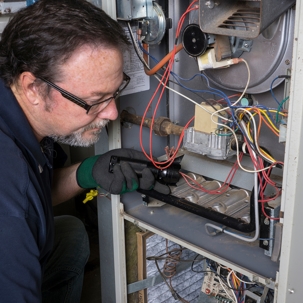
Colorado Springs winters can test even the most reliable heating systems. When your furnace starts acting up—whether it’s struggling to heat your home or making odd noises—you deserve more than just guesswork. At Awesome Home Services, we believe in clear, honest guidance built on local experience and genuine care for your well-being. Our team values transparency, integrity, and earning your trust through service that puts you first. If you suspect your furnace is reaching the end of its life, let’s walk through what to look for, how to weigh repair versus replacement, and how to protect your family’s comfort and safety for years to come.
What Are the Most Common Signs You Need Furnace Replacement?
Furnace replacement signs can show up in many ways, sometimes slowly and sometimes all at once. Uneven heating is often one of the first indicators—if some rooms stay chilly while others get overheated, your heating system may be losing power or airflow. Colorado Springs homeowners know how quickly weather can shift, so noticing these indoor temperature differences should put you on alert. Lack of consistent heat usually means trouble with a blower motor, heat exchanger, or blocked ductwork.
Unusual noises coming from your furnace are another major warning sign that should not be ignored. If you hear banging, rattling, screeching, or loud pops, components inside the unit may be deteriorating or about to fail. Occasional minor sounds are normal, but if your furnace develops regular patterns of new noises, especially as it starts up or shuts down, mechanical failure may be imminent. High-elevation conditions in Colorado Springs can increase stress on these parts due to frequent freeze-thaw cycles.
Visible signs like rust, water pooling around the base, or spots of corrosion on vent pipes point to internal problems. Rust indicates poor venting or potential water leaks, which can lead to safety issues like carbon monoxide buildup or a cracked heat exchanger. If you find any visible deterioration near your furnace, it’s a strong signal to schedule an inspection and have an honest discussion about next steps.
Repair or Replace: How Can You Make the Right Decision for Your Home?
Deciding whether to repair or replace your furnace depends on a few key factors. Look at your recent repair history first. If you find yourself booking repairs annually or even more often, especially for major parts, your furnace could be costing you more in the long run. Using the 50% rule can help: if fixing the furnace would cost at least half the price of a replacement—and your system is about 15 years old or more—it’s usually more sensible to invest in a new model.
Energy efficiency also plays a big role in the decision. Over time, aging furnaces require more energy to do the same job, pushing your utility bills higher without improving your comfort. If you have noticed your energy costs rising steadily, and your usage or utility rates have not changed, your furnace could be working overtime to keep up. Worn-out motors, dirty burners, or outdated controls reduce the efficiency you once counted on.
Consider your family’s comfort and safety as well. Older furnaces not only break down more frequently, but they often struggle to keep your home at a consistent, comfortable temperature. We recommend asking a trusted provider for a full assessment that includes an honest breakdown of costs, expected lifespan for your current system, and realistic efficiency gains from upgrading. Clear communication and transparent options make it easier to choose what’s best for your home and circumstances.
How Do Higher Energy Bills Point to Furnace Problems?
Increasing energy bills are often the silent indicator that your furnace is losing efficiency. As furnaces age, wear and tear force them to run longer and cycle more frequently just to maintain your usual comfort level. Common culprits include worn blower motors, leaky ductwork, burning inefficiency due to clogged burners, or failing thermostats. When these problems pile up, your heating costs will rise—even if you do not increase your thermostat setting.
Changes in calibration and control settings also contribute to energy waste, especially if your system is more than a decade old. Outdated models lack modern features like variable-speed blowers or two-stage burners, which can adjust to meet your needs without always running at full power. In a city like Colorado Springs, with its cold snaps and fluctuating temperatures, older furnaces can show their age quickly by draining more energy every winter.
Homeowners can take note by tracking their monthly bills and comparing them year-over-year. A consistent uptick in heating expenses, when not tied to increased usage or rates, signals that an aging furnace may need to be replaced. Investing in a new, energy-efficient furnace model often leads to immediate savings and more predictable costs, particularly in regions where heating season dominates much of the year.
Do Furnace Noises or Strange Smells Mean an Immediate Concern?
Never ignore strange sounds or odors coming from your furnace, as they can signal urgent and potentially hazardous problems. Loud banging or clanging may mean metal components inside the heat exchanger are expanding or contracting excessively—a sign of wear that can eventually cause the part to crack. If the heat exchanger fails, your home’s air can be contaminated by carbon monoxide, a dangerous and odorless gas.
Persistent screeching, squealing, or grinding usually indicates issues with the blower fan, loose belts, or bearings that are wearing down. These problems tend to get worse over time, leading to bigger breakdowns and higher repair costs down the road. Early intervention can prevent a small noise from developing into a full system failure during a cold Colorado Springs night.
Smells like burning plastic, mustiness, or rotten eggs need quick attention. Burning odors can signal overheating motors or melting wiring, while musty smells suggest mold growth in ductwork. A sulfur smell often points to a gas leak—a reason to shut off the system and call a qualified technician immediately. Catching these issues early keeps your family safe and can sometimes prevent costlier repairs or emergency replacements later on.
What Are the Health & Safety Risks of Ignoring an Old or Failing Furnace?
Delaying furnace replacement can carry serious health and safety risks for your household. Carbon monoxide (CO) leaks are among the most dangerous concerns—cracks in the heat exchanger or poor venting can allow this invisible, odorless gas to seep into living spaces. Headaches, nausea, dizziness, or unexplained flu-like symptoms may be warning signs of carbon monoxide exposure, which requires immediate action to avoid life-threatening consequences.
Unreliable heating can also pose risks during Colorado’s harsh winters. If your old furnace fails, rooms can quickly dip below safe temperatures, particularly for children, seniors, or anyone with compromised health. Nights with no heat may expose loved ones to risks like hypothermia and respiratory complications, all while pipes risk freezing and bursting in severe cold.
Older, poorly maintained systems can worsen air quality by spreading dust, allergens, and mold spores throughout the home. Colorado Springs’ dry, dusty environment makes this even more of a concern, especially for families with allergies or respiratory sensitivities. If your home is becoming less comfortable or you notice increased respiratory symptoms, the furnace may be circulating particles that put everyone’s health on the line.
Why Does Colorado Springs Climate Affect the Timing of Furnace Replacement?
Furnaces in Colorado Springs work harder than those in many other climates due to altitude, wide daily temperature swings, and frequent winter storms. Because air is thinner at high elevations, furnaces need careful sizing and calibration to make sure they burn fuel efficiently and safely. Even high-quality systems may wear down faster in these unique conditions, especially when faced with rapid weather changes common in the region.
Seasonal humidity changes create added challenges. Your furnace must regulate both warmth and moisture, particularly during dry winters or humid shoulder seasons. Systems that performed well when installed a decade ago may no longer provide the same comfort or efficiency as environmental demands increase. The combination of altitude stress and temperature fluctuations means even a well-maintained furnace in Colorado Springs may reach the end of its useful life sooner than expected.
Dust, pollen, and wildfire smoke—common seasonal factors in the area—can clog air filters and reduce furnace airflow, straining motors and other vital components. Homeowners who find themselves changing filters more often or scheduling frequent service calls should consider whether an old furnace can truly keep up year after year. Replacing with a model built for the region’s challenges ensures you’re prepared for all that Colorado weather can throw at you.
When Is the Best Time of Year for Furnace Replacement?
Ideally, furnace replacement is planned for spring, summer, or early fall when demand is lower and the weather is milder. Off-peak seasons often come with advantages like easier scheduling, more time to compare options, and access to seasonal promotions from manufacturers or local providers. This flexibility helps homeowners avoid emergency replacements during the winter’s coldest nights.
If a breakdown forces your hand in the middle of winter, don’t wait—prioritize safety and reach out to a company with reliable 24/7 emergency service. Availability during nights, weekends, or holidays can make a significant difference in restoring comfort quickly. For proactive replacements, planning ahead gives you time to consider energy-efficient models, financing options, and potential rebates that may help with costs.
Delaying replacement until your furnace fails completely is risky. Not only can it leave your home cold and vulnerable, but it can also result in longer wait times during Colorado Springs’ busiest furnace repair season. Taking action at the first signs of trouble is the best way to ensure continuous heat and peace of mind throughout the year.
What Should You Expect During the Furnace Replacement Process?
Choosing a new furnace involves several important steps that start with a thorough assessment of your current system. A knowledgeable, licensed technician will inspect your existing furnace, review your home’s size and unique needs, and help you choose equipment designed for Colorado Springs’s altitude and climate. This initial consultation includes transparent recommendations, clarification on available models, and answers to your specific questions.
Once you select your new heating system, your provider will work with you to schedule installation. On the agreed date, technicians will remove the old furnace, prepare the installation area, and install the new unit—including any upgrades to ductwork or venting required by local code. A professional team takes every precaution to protect your floors and living space throughout the process, cleaning up thoroughly before leaving your home.
Before considering the job finished, the crew will test the new furnace’s operation, check airflow and safety features, and ensure compliance with all safety and building codes. After installation, you should receive a walk-through of your new system—covering how to operate, maintain, and register your equipment for warranty coverage. Clear communication and ongoing support are hallmarks of a trustworthy local provider like Awesome Home Services.
How Does Upfront Pricing & Financing Work for Furnace Upgrades?
Understanding the true cost of furnace replacement should never be a guessing game. Upfront pricing means you receive a complete estimate with all charges clearly outlined before any work starts. Homeowners benefit from knowing exactly what to expect for equipment, installation, removal of the old unit, any code-required modifications, and warranties before the first tool is picked up. Companies like Awesome Home Services have built a reputation on this kind of transparency.
Several key factors influence the final price of your new furnace. These include your home’s size, the chosen efficiency rating, installation complexity, and whether you need updated electrical work or additional venting for high-altitude performance. Reliable providers make time to walk you through these points, offering straightforward answers rather than pressure or surprises during an already significant investment.
Financing programs are designed to help families spread payments over time, which can be especially valuable for unexpected replacement costs. Many providers offer payment plans with flexible terms, so you can improve your comfort now and pay over several months or years. Exploring these options during your consultation ensures you make decisions that support both your budget and your long-term home comfort.
How Do New Furnace Models Improve Comfort, Efficiency & Safety?
Today’s advanced furnaces offer marked improvements over older models in comfort, energy efficiency, and household safety. Modern units are equipped with variable-speed motors and two-stage burners, allowing for more precise temperature control and eliminating the hot-and-cold swings common in previous-generation systems. Enhanced airflow circulates heat more evenly, reducing cold spots and increasing comfort throughout your home.
Energy efficiency is another major benefit. New furnaces deliver the same warmth with less fuel thanks to smart features like programmable thermostats, improved electronics, and high-efficiency filtration. Smart thermostats can be controlled remotely, giving you greater flexibility and control over daily energy costs and making it easier to maintain your desired temperature during unpredictable weather in Colorado Springs.
Safety enhancements are built into every modern system. These include advanced shutoff sensors, improved carbon monoxide detection, and venting systems that adapt to changing weather and altitude. A furnace replacement is an investment not just in lower energy bills but also in improved air quality, safer operation, and the long-term health of all who live in your home.
What Should You Look for in a Trusted Colorado Springs Furnace Replacement Provider?
With so many providers vying for your business, finding the right team for furnace replacement in Colorado Springs takes more than just a price comparison. Local ownership and genuine community connection set reliable companies apart. Owners who live and raise families in the region are invested in their neighbors’ long-term comfort and safety—not just quick fixes or one-time transactions. Their deep roots foster accountability and a commitment to service.
It’s important to choose a provider that is fully licensed and insured. This guarantees adherence to up-to-date standards and safety regulations, giving you confidence that your home’s heating system is in good hands. A licensed team is also more likely to stay current on Colorado Springs building codes and installation best practices, protecting you from unexpected surprises down the line.
Look for these additional qualities:
- 24/7 emergency availability
- Clear, consistent communication
- Upfront pricing with no hidden fees
- Flexible financing options
- Commitment to ongoing employee training and development
- History of positive community involvement and customer satisfaction
A provider with these values ensures you receive not just a furnace, but a partnership built around your comfort and safety.
How Can You Protect Your Investment After Furnace Replacement?
Protecting your new furnace starts immediately after installation. Be sure to register your system with the manufacturer to secure your warranty coverage. This helps resolve potential future service or parts needs without hassle, and only takes a few minutes for peace of mind. Keep all installation paperwork and warranty details organized, along with contact information for your provider, for easy reference.
Regular maintenance is crucial for longevity and performance. Schedule professional tune-ups before each heating season to catch tiny issues before they become big ones. Change air filters every one to three months to prevent dust buildup, improve airflow, and help your furnace operate at peak efficiency. Set reminders for filter changes and annual tune-ups—it’s a simple way to extend your system’s lifespan and keep energy bills under control.
Take the time to understand your new system. Learn how to operate the thermostat, recognize any error codes, and identify performance changes. If you ever notice something unusual, prompt attention makes a difference—reach out to Awesome Home Services for support. Consistent care means your furnace investment pays off with years of dependable warmth and comfort for your Colorado Springs home.
If you are seeing warning signs or want clear guidance on furnace replacement in Colorado Springs, you can trust Awesome Home Services to walk you through every step. Call us any time at (719) 800-7121 for straightforward answers and neighborly support, whenever you need it most.
