
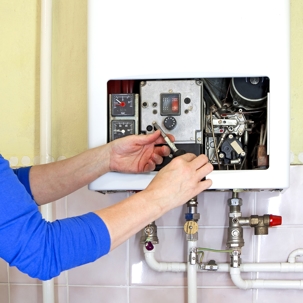
When winter hits Colorado Springs, your home’s systems need real protection. Tankless water heaters, while efficient and long-lasting, face serious risks if exposed to the region’s harsh cold snaps and rapid temperature shifts. Frozen pipes, busted valves, and water outages often strike at the worst possible moments. By taking time to winterize your tankless water heater, you safeguard not just the appliance but your family’s comfort and daily routines. At Awesome Home Services, we’re proud to be part of this community, providing transparent advice, actionable steps, and customer-focused service 24/7. Here’s how to protect your tankless water heater and get the peace of mind you deserve through each Colorado freeze.
Why Tankless Water Heater Winterization Matters in Colorado Springs’ Cold Climate
Colorado Springs regularly faces subfreezing temperatures, rough winds, and dramatic temperature swings. These weather patterns put every part of your plumbing system at risk, including tankless water heaters. When water freezes inside the heater or connecting pipes, it can expand rapidly, causing expensive internal damage that’s disruptive to fix. Many homes feature garage, crawl space, or exterior wall installations, making these units especially vulnerable during sudden overnight cold snaps.
Regional data shows that freeze-related plumbing repairs remain a top expense for homeowners each winter. The financial costs aren’t limited to repairs—unaddressed freezing can lead to water damage, mold, or even total replacement of the system. Reliable winterization in Colorado Springs becomes a must, not just a seasonal precaution.
By winterizing your tankless water heater, you extend its lifespan, reduce repair costs, and maintain steady access to hot water. This preventive approach matches our values at Awesome Home Services: always prioritizing long-term solutions, clear communication, and putting homeowners’ needs first. Winterization gives you more control—protecting your investment and your daily life.
Key Warning Signs That Your Tankless Water Heater Needs Winter Protection
Certain warning signs suggest your tankless water heater is at risk when cold weather arrives. If your unit is installed on an exterior wall or located in an unheated garage, basement, or crawl space, winterization should be a top priority. Older homes are often less insulated, raising the dangers of freezing conditions even more. Check if any part of your tankless system seems exposed or poorly protected from outdoor air.
Watch for condensation or frost on pipes, reduced hot water pressure, or slow heating during chilly mornings. These issues suggest that cold air is infiltrating your plumbing system and stripping away the heat faster than your insulation can keep up. Keep track if you’ve ever needed emergency service for frozen pipes, leaks, or heater repairs during a previous winter—these experiences signal a real risk for future freeze-related issues.
Taking preventive action when you identify these signals saves you time, stress, and expense. Our team at Awesome Home Services encourages every homeowner to stay alert for these early signs. Addressing them now means not scrambling for urgent help when winter is at its worst.
Find the Most Vulnerable Areas of Your Home & Tankless Water Heater
Cold air finds its way through the weakest points of your home. Utility rooms without heaters, unfinished garages, crawl spaces, and exterior walls all expose tankless water heaters and pipes to intense temperature drops. Homes around Colorado Springs often have varied construction styles and insulation levels. This means even one unprotected section could become a freezing hazard overnight.
The most at-risk parts include the heater’s internal heat exchanger, external supply lines, and venting system. Even if your unit is inside, pipes running near foundation walls, window wells, or poorly sealed entry points face a greater chance of freezing. Modern homes aren’t immune; high ceilings and multi-level layouts sometimes force plumbing through unheated attic spaces, which can cause frost buildup or slow leaks that aren’t found until serious damage has occurred.
Proactive inspection before winter allows you to identify these danger spots and develop a plan. At Awesome Home Services, we recommend focusing first on unconditioned rooms and exterior locations, then reviewing all visible pipework for gaps in insulation. By thinking ahead, you can prevent hassle and expensive repairs before the coldest weeks hit.
Essential Tools & Materials for Tankless Water Heater Winterization in Colorado Springs
Being prepared with the right winterization materials makes the job safer, faster, and more effective. Residents in Colorado Springs should gather insulation and protective gear well before the first frost. A few key supplies will help you handle most common winterization challenges.
Make sure to have the following on hand before starting:
- Foam pipe insulation sleeves, sized for both hot and cold lines
- Tankless water heater insulation jackets or covers for exterior or garage units
- Weather-resistant tape for securing seams and joints
- Self-regulating heat tape or heating cables for pipes in areas prone to severe cold
- Easy access to drain and shut-off valves, plus an air compressor if your unit needs to be fully drained
- Plumber’s wrench, screwdriver, and basic hand tools
- Heavy-duty insulating covers for outdoor spigots, vents, and hose bibs
For homes above 6,000 feet, select products intended for extra-low temperatures. Always buy more insulation than you think you’ll need—tight corners, bends, or additional valves may require extra material you didn’t expect. Take photos and label your shut-off points for quick access. Planning ahead means you won’t be caught off guard mid-project. We believe in thorough preparation at Awesome Home Services, so every homeowner gets the right results every time.
Step-By-Step Tankless Water Heater Winterization for Colorado Springs Homes
Winterizing a tankless water heater takes more than a quick glance at the manual. In Colorado Springs, where winter conditions can vary by the hour, careful preparation makes all the difference. Start by shutting off the main water supply so no new water enters the system while you work. Power down your heater and unplug it—whether it’s electric or gas-powered, this keeps the process safe from beginning to end. Turn off your gas valve if the unit uses natural gas or propane. Safety always comes first.
Next, open all hot and cold water lines throughout your house. This relieves any pressure and allows water to fully drain from pipes and the water heater itself. Attach a hose to the drain valve and direct it outside or toward a tub to safely remove any remaining water. Confirm if your system has built-in freeze protection. Don’t rely on automatic features alone—Colorado Springs weather can overwhelm factory-installed defenses, especially in wind-prone or uninsulated spaces. For some units, use compressed air to force out the last bits of water. This is especially valuable if you have exterior installations or complex pipe runs.
Insulate every exposed pipe, inlet, outlet, and valve using foam sleeves or heat cables. Wrap sections that pass through garages, crawl spaces, or unconditioned utility rooms. Secure insulation with weatherproof tape. For exterior or windswept spots, install an insulated cover over the whole heater. Check every seam and joint for gaps. Mark your shut-off valves and important access points with bright tape. Thoroughness protects your heater—and your peace of mind—through Colorado’s harshest months.
Best Practices for Insulating Tankless Water Heater Pipes & Exposed Components
Proper insulation is at the heart of freeze protection in Colorado Springs. Select pipe insulation with a minimum R-value of 3.0 to stand up to winter’s coldest nights. Measure your pipes carefully, so sleeves fit snugly for the best insulation results. Cut insulation to fit around corners and bends, keeping each seam tight and secure with weather-resistant tape to prevent air gaps.
Pay special attention to valves and fittings. These areas cool down faster and are often where freezing begins. Use extra-thick covers—available at any local hardware store—to ensure these vulnerable points hold their heat. For properties with recurring wind exposure, consider insulation wraps with vapor barriers. This reduces moisture build-up and helps prevent both heat loss and long-term corrosion, protecting the integrity of your plumbing system.
If your heater is installed on an exterior wall, add a rigid foam board behind or around the unit for added protection. Inspect your insulation every year—look for signs of wear, gaps caused by pests, or water damage. If you discover deterioration, replace the insulation immediately. Prioritize pipes in crawl spaces, garages, and attics, since these areas swing to extreme temperatures quickly. Following these best practices each fall lets you head into winter confident your home is ready.
Can You Use Your Tankless Water Heater After Winterizing It?
Many homeowners worry that winterizing their tankless water heater will leave them without hot water for the entire season. Fortunately, proper winterization means you can keep your system operating all winter long, provided you follow a few extra guidelines. If you’re staying home, regular water use and monitoring are usually enough to prevent freezing. Activate any built-in freeze protection features. Adjust system settings for colder conditions whenever possible to keep everything flowing smoothly.
For homes in especially cold neighborhoods or with lots of exposed pipes, running a small trickle of warm water overnight can keep water moving, reducing ice risk. This strategy is low cost compared to the damage from burst pipes. If you’re leaving for an extended period—like a winter vacation—draining and shutting down the system entirely is the safest option. Never depend solely on built-in protections if no one will be home, as power outages or equipment failure could leave your heater exposed.
Check your water heater and plumbing weekly for signs of trouble. Any condensation, warning lights, or fluctuations in temperatures require prompt attention. Early action helps avoid emergency breakdowns and preserves hot water access when you need it most.
What Should You Do If Your Tankless Water Heater or Pipes Freeze?
Despite all your preparations, extreme weather can still cause water heaters or pipes to freeze. If you notice a loss of water flow or suspect frozen pipes, shut off your main water immediately to prevent potential flooding. Do not attempt to force hot water through the system or restart the heater. This can worsen internal damage or even rupture fragile components inside your tankless unit.
Instead, focus on gradual, controlled warming. Place space heaters or heated blankets in the frozen area, making sure never to use an open flame or direct high heat. If you suspect the affected pipe is inaccessible, call a trusted Colorado Springs technician right away. Our team at Awesome Home Services stays ready 24/7 to provide safe, honest support for freeze emergencies. Local familiarity allows us to pinpoint issues and offer lasting fixes—especially for vulnerable home layouts and rapidly dropping temperatures.
Once water flow returns, inspect the area closely for any signs of leaks, drips, or water stains that indicate a pipe has cracked or burst. Even a small gap can let water escape and cause significant damage. Document the situation with photos, and reach out to your home service provider or insurance if repairs are needed. Taking prompt, thoughtful action is key when winter throws you a curveball.
How Routine Maintenance Prevents Winter Problems for Tankless Water Heaters
Preventive maintenance isn’t just about convenience—it’s an important shield against winter-related emergencies. Scheduling annual checkups with a trusted local service ensures every part of your system performs well before the deep cold hits. Trained technicians identify degraded insulation, corroded connections, and outdated safety features. These small details can mean the difference between a minor fix and a mid-winter crisis.
During routine maintenance, our team at Awesome Home Services reviews all elements of your tankless water heater. That includes pressure relief valves, insulation quality, settings for seasonal changes, and any sediment buildup that restricts performance. We catch signs of installation errors or early corrosion—issues that become much more expensive if left until they’re compounded by freezing weather.
Homeowners who maintain a log of service dates and improvements not only boost their system’s reliability but also help preserve manufacturer warranties. Upgrades in insulation or technology are especially valuable as homes settle or water usage shifts over the years. Routine checks bring peace of mind, knowing you’ve truly readied your home for whatever winter brings.
DIY or Professional? How to Decide Who Should Winterize Your Tankless Water Heater
Plenty of tankless water heater winterization tasks fall within reach for dedicated homeowners armed with a plan and the right tools. However, some scenarios require professional support. If your system has unfamiliar components, hidden leaks, or inaccessible piping, calling in a knowledgeable technician protects both your home and your budget. Some signs that mean it’s time to reach out for help include strange odors, water pressure variation, new noises during operation, or recurring condensation. These symptoms often signal deeper mechanical issues that extend beyond simple insulation or draining.
Homes in Colorado Springs range from new builds with advanced insulation to historic properties with original plumbing hidden behind walls. Regulations shift from neighborhood to neighborhood, so a local professional brings essential insight to each job. At Awesome Home Services, our crew knows the requirements unique to the Colorado Springs area. We respond with transparent communication, clear recommendations, and a commitment to customer-first service around the clock.
If a project ever feels unsafe, overwhelming, or confusing, contact a fully insured and licensed company right away. This approach saves time, reduces stress, and ensures your tankless water heater stands up to every challenge the Colorado winter throws your way.
The Lasting Value of Winterizing Your Tankless Water Heater
Investing in tankless water heater winterization delivers year-round peace of mind. These preventive steps keep your heater working efficiently, limit the odds of unexpected repairs, and help you maintain comfort through the coldest months. Homes in Colorado Springs benefit from reduced utility bills, fewer emergency repair calls, and longer life from major plumbing systems—advantages that become clear as you track your savings over time.
Consistent winterization supports compliance with manufacturer warranties. Many warranty claims require proof that preventive care was performed, especially in freeze-prone climates. By keeping a simple service record, you protect not only the physical system but also your ability to resolve issues quickly if a problem does occur.
At Awesome Home Services, we believe tankless water heater care is part of building stronger Colorado Springs communities. Our values—integrity, trust, and service—show in every job we take on. If you’re preparing your home for winter or have questions about freeze risks, don’t hesitate to connect with our team. Reach out at (719) 800-7121 for honest guidance and dependable support as you protect your home from winter’s toughest challenges.
