
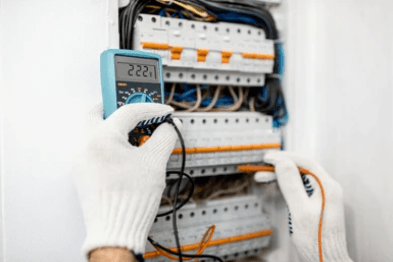
Smart TVs in every room, chargers dangling from every outlet, a refrigerator with Wi-Fi, and maybe even an electric vehicle charging quietly in the garage. Today’s homes aren’t just places to sleep and eat. They are mini power stations feeding a hungry lineup of devices. The question is, can your circuit breaker panel keep up with this tech-heavy lifestyle, or is it secretly gasping for air?
The Role of Your Breaker Panel
Think of your breaker panel as the referee of your home’s electrical game. Every time you plug something in, flip a switch, or turn on an appliance, the panel decides whether the play is safe or if it is time to throw a flag. When the demand for electricity gets too high, a breaker trips. That quick snap is not random. It is the panel’s way of preventing overheating and possible fire hazards.
Panels installed decades ago were not designed for a world of streaming devices, smart thermostats, and endless chargers. A panel from the 1980s, for example, might have been built for households with a couple of TVs, a microwave, and not much else. Fast forward to today, and that same panel might be juggling an EV charger, a home office full of computers, gaming consoles, and kitchen appliances that practically need their own Wi-Fi connection.
Clues Your Breaker Might Be Overloaded
Your breaker does not text you when it is overwhelmed, but it does send signals. Here are a few signs that your panel might be struggling:
- Frequent trips. If your breakers are flipping more often than you would like, that is the panel saying it is stretched thin.
- Flickering lights. Lights that dim or flicker when appliances kick on can signal capacity issues.
- Warm outlets or panels. Outlets that feel hot or a panel that is warm to the touch are warning signs.
- Buzzing sounds. Electricity should not sound like a bee hive. Humming or buzzing around outlets or the breaker panel deserves attention.
These are not quirks to brush off. They are your home’s way of saying the power demand is outgrowing the system.
How Gadgets Multiply the Load
One or two extra devices rarely cause trouble. The problem builds slowly as households add layer upon layer of electronics. Consider a typical evening in a modern family home.
- The air fryer is cooking dinner.
- A teenager is gaming online.
- Parents are streaming a show on a smart TV.
- Laptops and tablets are charging in the background.
- A portable AC unit hums away in the bedroom.
- The EV is charging outside.
Individually, these appliances might not overwhelm a system. Together, they create a traffic jam of electrical demand. Older panels often have a limited number of circuits, which means more devices are forced to share the same lane.
Why Newer Panels Are Different
Modern electrical panels are designed with higher capacity in mind. Many newer homes have 200 amp panels, which offer more circuits and better flexibility for dividing the electrical load. Older homes might still run on 100 amp panels, which were never intended for today’s energy appetite.
In addition to higher amperage, updated panels often include room for dedicated circuits. For example, large appliances like air conditioners, water heaters, or EV chargers can run on their own circuit instead of competing with the rest of the household. That separation reduces strain and keeps the system running more smoothly.
Safety Comes First
Beyond convenience, capacity issues can pose real safety concerns. Overloaded circuits can overheat, leading to damaged wiring or, in worst cases, electrical fires. Panels that have lived far beyond their intended lifespan may also have outdated safety mechanisms. That buzzing or warmth you notice is not just annoying. It is your panel waving a red flag.
Upgrading or adding circuits is not just about staying comfortable when the microwave and toaster run at the same time. It is also about protecting the integrity of your home and the people living in it.
When to Consider an Upgrade
If you are adding major appliances, remodeling, or installing an EV charger, it might be time to ask if your panel is up to the task. Likewise, if your home still has a fuse box or a panel older than the smartphones your family cannot live without, an evaluation is worth considering.
Even if you are not planning big upgrades, those little signs such as tripped breakers, flickering lights, or warm outlets are hints that your electrical system is reaching its limits. Think of it like a warning light in your car. You could ignore it for a while, but eventually, it is going to demand your attention.
A Partner for Modern Homes
It is not always easy to know how much your electrical system can handle, especially as new devices keep finding their way into the house. At Awesome Home Services, we work with homeowners who want confidence that their panels are ready for modern living. Our team can evaluate your current system, explain what upgrades might be necessary, and take care of the installation safely and efficiently.
Many of our clients highlight our reliable service in their reviews, and we also offer financing options to make larger electrical upgrades more manageable. This gives homeowners the flexibility to handle important improvements without putting projects on hold.
If your breaker panel is struggling to keep pace with your growing collection of gadgets, there are ways to get ahead of the problem. A professional assessment is the first step toward creating a safer, smarter, and more reliable home setup.
Call (719) 800-7121 or reach out online to schedule your electrical evaluation today. Our team is ready to help you take the right steps toward a safer, future-ready home.
