
When a storm hits Colorado Springs, most homeowners notice what’s obvious: fallen branches, moved patio furniture, and maybe a flickering light or two. But they often overlook what that same storm did to the electrical system inside the walls.
Weather has impacts ranging from minor to severe on home electrical systems, with wind causing the most consistent damage. Some effects of wind on your electrical system may not be visible for days or weeks after the event. Understanding these risks helps you determine when a quick visual check suffices and when it's time to call a licensed electrician.
If your home experienced flickering lights, tripped breakers, or power changes during or after a weather event, call Awesome Home Services at (719) 800-7121 or message us online. Our Colorado Springs electrical team is licensed, insured, and available 24/7.
Wind: One of the Biggest Weather Threats Your Home Faces
Of all the weather factors impacting residential electrical systems in Colorado Springs, wind causes a wide range of problems. From direct equipment damage to grid disruptions that create surges in your home's wiring, strong wind events affect your electrical system in multiple ways at once.
The most common wind-related electrical problems our technicians find in Colorado Springs homes include:
- Power surges from grid disruptions – When wind brings down a power line or forces a utility switch, the resulting surge travels through the grid and into your home before your breaker panel has time to respond. These surges damage appliances, electronics, and HVAC equipment. Our team can assess post-surge damage, identify what was affected, and recommend whole-home surge protection to reduce your exposure to future events.
- Downed service entrance lines – The weatherhead and service entrance cable, where utility power connects to your home, are exposed to the elements. High winds can loosen the attachment point, damage the weatherhead fitting, or pull the service entrance cable away from the structure. Any damage to the service entrance is a serious safety concern and requires a licensed electrician to assess it before the utility restores power.
- Outdoor fixture and disconnect damage – Exterior electrical components, such as outdoor outlets, HVAC disconnect boxes, and exterior light fixtures, are subject to direct impacts from wind and debris. A disconnect box that has been physically damaged may still allow the system to run while creating a shock or fire risk at the point of damage. Our technicians check all exterior electrical components as part of any post-storm assessment.
- Attic and crawl space wiring disruption – In high wind events, the structural movement of the home, even movement that produces no visible damage, can stress wiring connections in attic and crawl space runs. Loose connections at junction boxes cause arcing, which is a leading cause of electrical fires. Our electricians inspect accessible wiring runs and junction boxes when homeowners report intermittent electrical issues following major wind events.
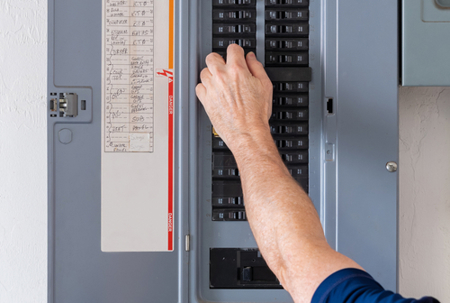
- Breaker and panel stress from sustained load changes – When wind strips insulation from your home or forces your HVAC system to run longer cycles, your electrical panel carries higher loads for extended periods. Older breakers nearing the end of their reliable service life may begin tripping more frequently. Our team checks the panel under normal load conditions and identifies breakers that are no longer meeting specifications.
How Wind Affects HVAC-Related Electrical Components Specifically
The electrical components of your heating and cooling system are exposed to outdoor conditions. When wind damages the outdoor condenser, disconnects it, or moves the unit off its pad, the wiring connections at the unit can become stressed or broken. If the system runs with a damaged electrical connection, it risks burning out the compressor or control board, leading to repairs that may cost more than the original wind damage.
Our technicians examine the electrical connections at the indoor air handler and the outdoor unit during any post-storm HVAC inspection because these systems share the same window of vulnerability.
Other Weather Factors That Stress Your Electrical System
Wind is the primary weather threat to residential electrical systems, but Colorado Springs' weather also causes electrical stress in other ways. Summer lightning storms, which are common along the Front Range from June through August, produce surges that overpower standard power strips and harm electronics throughout the home. Rapid temperature changes affect conduit seals and outdoor connection points, creating openings for moisture to enter. Ice and snow buildup on overhead service lines increases the load those lines bear, and a single ice storm can break a connection already weakened by wind.
Whole-home surge protection addresses the surge vulnerability regardless of the weather source, including lightning, wind-driven grid disruption, or utility switching. Our electricians install whole-home surge protectors at the panel level. These devices intercept surges before they reach your appliances and wiring.
After the Storm Passes, Your Electrical System Still Needs a Look
A weather event ends, the power comes back on, and everything seems fine. Homeowners might skip an inspection at this time because the power is back and nothing looks wrong. However, that’s when hidden damage is easiest to miss but cost-effective to fix.
Flickering lights that weren't there before the storm, breakers that trip without a clear load reason, outlets or switches that feel warm to the touch, or any burning smell near your panel are all signs worth taking seriously. None of these symptoms go away on their own, and some of them indicate conditions that could increase the risk of fire or shock.
At Awesome Home Services, our technicians evaluate the storm's impact on your electrical system, explain the findings, and give upfront pricing before starting any work. If everything checks out, you'll know your system is safe to run through the next storm season.
Contact us at (719) 800-7121 to schedule an electrical inspection after a Colorado Springs weather event.
