
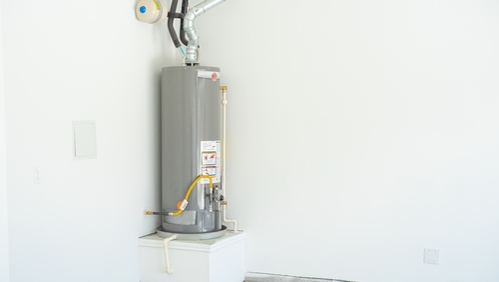
Colorado homeowners rely on their water heater every day—often without thinking much about it until something goes wrong. With new state legislation taking effect in 2026, that “replace it when it fails” mindset is starting to shift. The updated law changes how new gas water heaters can be sold in Colorado, prompting many homeowners to take a closer look at their options now rather than facing rushed decisions later.
Across Colorado Springs, homeowners are beginning to ask practical questions about how these changes affect future replacements, costs, and system performance. At Awesome Home Services, those conversations often center on planning by understanding what the new standards mean, which systems align with them, and how today’s replacement choices can support long-term comfort, efficiency, and value.
What Is Changing with Gas Water Heaters in Colorado in 2026?
Beginning January 1, 2026, Colorado will require newly sold residential water heaters to meet stricter emissions standards. The goal of the legislation is to reduce nitrogen oxide (NOx) emissions, which contribute to smog and can worsen respiratory conditions such as asthma. By lowering pollution levels, the state aims to improve overall air quality.
To comply, new water heaters sold in Colorado must either produce lower NOx levels or meet ENERGY STAR® certification standards. These requirements apply to products sold after the effective date, not to systems already installed in homes.
Does This Law Apply to Your Current Water Heater?
If your gas water heater is already installed and operating correctly, this legislation does not require you to replace it. Existing systems are unaffected, and homeowners may continue using them as long as they remain functional.
In addition, retailers may sell through their current inventory even after January 1, 2026. That said, many homeowners are thinking ahead—especially if their water heater is older or showing signs of wear—so they’re not forced into a quick decision later.
Understanding Your Water Heater Replacement Options
As the 2026 deadline approaches, homeowners generally choose among three main options: low-NOx gas water heaters, heat pump water heaters, and tankless water heaters. Each comes with different efficiency levels, environmental considerations, and upfront costs.
Understanding how these systems compare can make it easier to weigh short-term pricing against long-term value.
Low-NOx Gas Water Heaters: Compliance Without Performance Loss
Low-NOx gas water heaters are designed to meet Colorado’s updated emissions standards while maintaining the same basic operation homeowners are used to. These systems reduce nitrogen oxide emissions during combustion, helping improve air quality without changing how hot water is delivered throughout the home.
From a performance standpoint, low-NOx models are intended to operate similarly to traditional gas water heaters. Many homeowners consider them a straightforward compliance option when replacing an aging system.
Key considerations for low-NOx water heaters include:
- Lower emissions output – Designed to reduce nitrogen oxide pollution that contributes to smog and respiratory concerns.
- Familiar operation – Uses gas heating technology similar to standard tank-style water heaters.
- Comparable performance – Hot water delivery and recovery rates are generally consistent with older models.
In terms of cost, low-NOx water heaters can vary depending on the manufacturer, tank capacity, and efficiency rating. Installation-related factors—such as venting configuration, gas connections, and code updates—also affect the overall investment.
Heat Pump Water Heaters: Strongly Recommended
Heat pump water heaters operate differently from traditional gas systems. Instead of generating heat directly, they transfer heat from the surrounding air into the water, enabling them to operate at significantly higher efficiency.
Because of their lower energy use and reduced emissions, heat pump systems are often recommended as a forward-looking alternative—especially for homeowners planning beyond the 2026 legislation.
Homeowners often consider heat pump water heaters for reasons such as:
- High energy efficiency – Uses less electricity by moving heat rather than creating it.
- Lower environmental impact – Produces fewer emissions compared to gas-fired systems.
- Long-term operating savings – Reduced energy use can lead to lower utility costs.
Factors like system size, efficiency level, and available features influence pricing for heat pump water heaters. The total project cost can also depend on installation requirements, including electrical capacity, available space, and whether upgrades are needed to support the system.
Tankless Water Heaters: A Flexible Alternative
Tankless water heaters heat water on demand rather than storing it in a tank, making them appealing to certain households. These systems can be a good fit for homeowners seeking to save space or reduce standby energy use.
They’re often evaluated based on how well they align with a home’s usage patterns and infrastructure.
Common factors homeowners weigh when considering tankless water heaters include:
- On-demand hot water – Heats water as it’s needed instead of storing it.
- Space-saving design – Smaller footprint compared to tank-style units.
- Usage flexibility – Can work well for homes with staggered hot water demand.
Costs for tankless systems can vary widely depending on brand, output capacity, and whether the unit is gas- or electric-powered. Installation considerations—such as gas line sizing, electrical requirements, and venting—are often key drivers in determining the final scope of the project.
How Rebates and Tax Credits Can Offset Upgrade Costs
For homeowners considering higher-efficiency systems, Colorado offers incentives that can help reduce upfront costs. These programs are designed to encourage energy-efficient upgrades and support cleaner technologies.
Available incentives may include:
- Colorado Home Energy Rebate Program – Offers rebates for qualifying high-efficiency electric appliances and whole-home energy efficiency improvements.
- Colorado Heat Pump Tax Credits – Provides tax credits specifically for eligible heat pump installations, including water heating systems.
Program eligibility, funding levels, and requirements can change, so homeowners should review the latest details from the Colorado Energy Office when planning an upgrade.
Planning for Water Heater Replacement
Although the 2026 legislation doesn’t require immediate action, planning gives homeowners more flexibility. Replacing a water heater before it fails allows time to explore efficiency options, review available incentives, and select a system that fits household needs and budget.
Homes in the area vary widely in age and layout, which means the right solution often depends on individual factors such as space, energy goals, and existing infrastructure.
Making Sense of Colorado’s 2026 Water Heater Changes
Colorado’s updated water heater standards focus on cleaner air and long-term efficiency, not on forcing homeowners into sudden replacements. Whether you’re considering a low-NOx unit, a heat pump system, or a tankless upgrade, understanding your options now can help you make a more confident decision later.
If you’re starting to plan or want to understand how these changes may affect your home, Awesome Home Services is available to help you navigate your options with clear, practical guidance—so you can move forward at a pace that works for you. Contact us at (719) 800-7121.
