
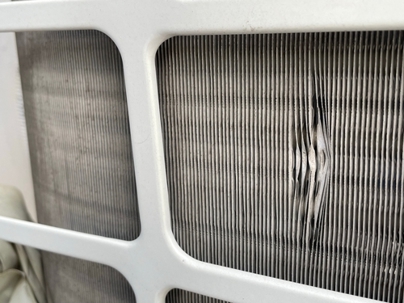
Colorado Springs lies on the eastern edge of the Rocky Mountains, and the weather here doesn’t follow a gentle pattern. Rapid temperature fluctuations, intense summer hailstorms, and dry winter cold all impact how your heating and cooling systems perform. Among all weather factors that stress HVAC equipment, wind is the one that causes the most consistent damage and the one homeowners are least likely to associate with the problems they observe later.
Chinook winds sweep down the Front Range with gusts frequently surpassing 50 miles per hour. The Palmer Divide, just south of town, directs and speeds up these winds, which can strip heat from your home and send debris into your outdoor equipment. Knowing how this kind of weather impacts your system helps you identify problems early and make better maintenance choices.
If your HVAC system is behaving differently after a major weather event, call Awesome Home Services at (719) 800-7121 or message us online. Our Colorado Springs team is available 24/7 and can diagnose what's happening before any work begins.
Wind: The Weather Factor That Hits Your HVAC Hardest
The outdoor condenser or heat pump unit is your system's most exposed component. It sits outside year-round and takes the full force of every weather event that moves through Colorado Springs. Wind is the primary driver of outdoor unit damage.
The most common wind-related HVAC problems our technicians find include:
- Debris packed into the condenser coil – Wind carries sticks, leaves, dirt, and small gravel into the fins of your outdoor unit. Once debris packs into the coil, airflow drops and the system works harder than it should. Restricted airflow strains the compressor, which is one of the most expensive components in the system. Our technicians clean the coil and check the fins for damage caused by debris contact.
- Bent condenser fins – The thin aluminum fins on your outdoor unit bend easily when debris hits them at speed. Bent fins reduce airflow, forcing your system to run longer cycles to reach the temperature you set. Our technicians use fin combs to restore proper alignment where the damage allows, and document what needs further attention.
- Unit displacement or loose panels – Strong gusts can shift a lightweight unit off its pad or loosen the panels that protect internal components. An unlevel unit stresses refrigerant lines and moving parts. Our technicians check the mounting, relevel the unit if needed, and secure all panels before leaving the job.
- Intake and exhaust vent blockages – Furnace vents on the exterior of your home collect wind-blown debris and can take physical damage during severe storms. A blocked exhaust vent prevents combustion gases from venting properly, which our technicians treat as a safety priority during any post-storm inspection.
- Refrigerant line stress – Wind-driven movement in the refrigerant lines strains the connections between your indoor and outdoor units. Reduced cooling or heating output after a wind event is one sign that line integrity has been affected. Our team checks connections and refrigerant levels as part of any post-storm assessment.
How Wind Affects System Efficiency Without Breaking Anything
Even without visible damage, high winds continuously push cold air through gaps in your home's exterior: around windows, doors, and unsealed openings. Your furnace runs more often to keep the temperature steady, your energy bills increase, and the system appears to be functioning properly from the outside. The real issue is the infiltration load caused by the wind.
Pressure differences throughout your home during high-wind events also affect how air circulates through your duct system, leading to uneven heating or cooling between rooms. If certain areas feel noticeably warmer or colder during or after wind events, it is worth having them checked.
Other Weather Factors That Stress Your HVAC
Beyond wind, Colorado Springs weather poses a few other consistent challenges for heating and cooling systems. Summer hailstorms dent and crack condenser fins, reducing efficiency in the same way wind-driven debris does. Rapid temperature swings — a 40-degree drop in a matter of hours — are not unusual here, and stress components expand and contract with temperature changes. The area's dry climate means airborne dust is a year-round factor in air filters, with wind events accelerating how quickly filters load up.
Our technicians schedule inspections with all of these conditions in mind, checking the components that Colorado Springs weather targets most consistently.
After a Major Weather Event: What to Check First
Inspect your outdoor unit after heavy wind or hail. Check for debris around or inside the unit, ensure it hasn't shifted on its pad, and look for visible damage to refrigerant lines or panels. Do not try to remove debris from inside the unit yourself. The fan blades and electrical parts require a trained technician.
If your system is making new sounds, running longer than usual, or failing to maintain your thermostat setting after a storm, reach out to Awesome Home Services.
Contact us at (719) 800-7121 to schedule a post-storm HVAC inspection with our Colorado Springs team. We explain what we find and give you upfront pricing before any repair begins.
