
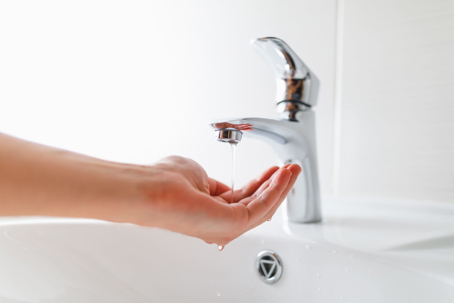
Low water pressure is one of the most common calls we get this time of year in Colorado Springs. Most of the time, nothing is wrong with your home's plumbing. The city's watering rules, the elevation, and the season are doing exactly what they're built to do, but your water pressure can feel it.
Our team at Awesome Home Services is ready to explain what causes these shifts and how to identify when a different issue might be occurring.
What Causes Low Water Pressure in Colorado Springs?
In Colorado Springs, seasonal shifts and municipal water usage are often behind water pressure fluctuations rather than internal pipe failures. Here are the five we run into most often through the warmer months:
- Summer Irrigation Surges: Between May 1 and October 15, thousands of automatic sprinklers across the city turn on within the same early morning stretch, and the shared demand pulls pressure down across residential mains before it recovers by midday.
- Mandatory Watering Windows: Colorado Springs Utilities restricts outdoor watering to before 10 a.m. and after 6 p.m., which compresses heavy usage into a narrow morning window and produces a predictable daily dip rather than a random one.
- Elevation-Based Pressure Zones: Colorado Springs sits at an average elevation of 6,035 feet, and the city relies on pumping water uphill into gravity-fed pressure zones, so a storage tank running low during peak demand hits higher neighborhoods first.
- Aging Pressure-Reducing Valves: Mountain-fed main lines run at high pressure, so nearly every home here depends on an internal PRV to bring it down safely, and hard water sediment or a worn internal spring can make the valve inconsistent right when spring demand ramps up.
- Post-Winter Ground Heave: freeze-thaw cycles shift soil along the Front Range all winter, and a service line or backflow preventer stressed by the shift often doesn't show a problem until irrigation lines repressurize in May.
These five situations don't indicate an issue within your plumbing system. Instead, they are the natural result of a high-altitude, semi-arid city managing water delivery across various pressure zones during periods of high demand.
How to Know if It’s Because of Your Plumbing: Check Your PSI
While a temporary seasonal drop in water pressure rarely calls for action on your part, issues like a failing pipe or an active leak require attention.
Testing your home's PSI (pounds per square inch) is a simple place to start. You can pick up an inexpensive pressure gauge from any hardware store and screw it directly onto an outdoor spigot or washing machine hookup. A normal, healthy reading for a residential home sits right between 40 and 60 psi.
Steps to Test Your Water Pressure
- Turn Off All Water: Ensure no water is running inside or outside your house, including hidden appliances like dishwashers, ice makers, or washing machines.
- Attach the Gauge: Screw the pressure gauge tightly onto a cold water source closest to your main water line, such as an outdoor spigot or a washing machine hookup.
- Turn on the Tap: Open the faucet all the way and look at the dial to get your exact PSI measurement.
If your gauge reads consistently below 40 psi across the entire house, it is likely due to the seasonal city-wide demand mentioned above rather than a major plumbing leak. However, if the pressure drop is only happening in one specific part of your home, that is a vital clue pointing to an entirely different issue.
How a Pressure-Reducing Valve (PRV) Affects Water Pressure
A pressure drop confined to the inside of your home, while an outdoor spigot or hose bib runs completely normal, almost always points to your pressure-reducing valve, not the city supply.
A PRV works by stepping down the high pressure coming off Colorado Springs' mountain-fed main lines to a level your fixtures and appliances can handle safely. When the valve starts sticking or its internal spring wears out, you will likely notice consistent issues across all your indoor plumbing.
Signs Your PRV Is Causing the Pressure Drop
- House-Wide Low Pressure: Unlike a single clogged aerator, a failing PRV restricts the main water supply, meaning you will notice a pressure drop across every indoor fixture at the same time.
- Normal Pressure Outside: Outdoor spigots often sit closer to the main line and ahead of the pressure regulation. If your garden hose runs fine but the indoor sinks and showers are weak, the PRV is the likely culprit.
- Fluctuating Pressure or Banging Pipes: As the PRV wears out, it can become inconsistent. You might experience sudden spikes in pressure or hear a "banging" sound (known as water hammer) in your walls when you quickly turn off a faucet.
Resolving this issue typically involves having a professional adjust or replace the pressure-reducing valve, rather than indicating a leak in your system.
When to Call Us for a Pressure Drop
Most seasonal pressure changes sort themselves out once the watering window shifts or the PRV gets adjusted. A few signs point to something else entirely, and those are worth a call sooner rather than later:
- The pressure drop affects only one fixture instead of the whole house
- You hear running water somewhere in the house when every faucet and appliance is off
- Your water bill jumps with no matching increase in usage
- The pressure change shows up outside the May through October watering season, with no clear trigger
- Warm or damp spots appear on floors or walls alongside the pressure drop
We typically see calls for both failing PRVs and hidden leaks spike in April and May as the irrigation lines repressurize and seasonal usage shifts. If what you're seeing matches any of the signs above, it's worth having a professional look at the plumbing itself rather than waiting out the season.
Get Your Pressure Checked with Awesome Home Services
If your water pressure issue doesn't line up with the usual seasonal changes, you deserve a direct and clear explanation. Our experienced plumbers at Awesome Home Services can test your pressure-reducing valve (PRV), verify your home's water pressure reading, and pinpoint the exact reason behind the sudden shift.
We'll walk you through what we find and give you clear, upfront pricing before any work begins. If it turns out to be more than a quick PRV adjustment, we offer weekend appointments so the fix doesn't have to interrupt your workweek.
Ready for an honest answer to your pressure trouble? Call (719) 800-7121 or request an appointment online today.