
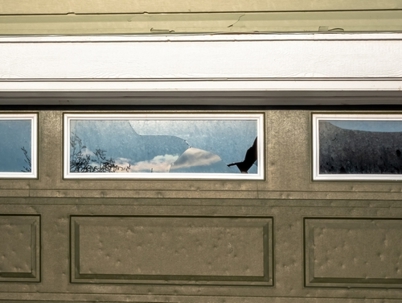
Garage door panels endure a lot of wear and tear. They face the harsh Colorado Springs weather, withstand occasional accidental vehicle impacts, and bend under the mechanical stress of thousands of open-and-close cycles. Most panel damage falls into a few predictable categories, and understanding what causes it helps you react correctly, whether that means fixing a single panel or knowing when replacement is better than patching.
If your garage door has visibly damaged panels, contact us at (719) 800-7121 to schedule an assessment. Awesome Home Services evaluates the extent of the damage and provides upfront pricing for repair and replacement options.
What Causes Garage Door Panel Damage
Panel damage rarely comes from a single source. In Colorado Springs, it usually results from a combination of harsh weather, regular use, and gradual wear from years of mechanical cycling. Some causes happen suddenly and are easy to see. Others develop slowly and only become noticeable once the damage has advanced.
Our garage door technicians see panel damage in every type of home and door. The causes listed below account for most of what we find.
Hail
Colorado Springs is in an area with some of the highest hail occurrences in the country. Summer storm cells forming along the Front Range produce hailstones that fall quickly and impact steel, aluminum, and composite panels intensely. The damage ranges from small dimples across the panel surface to deep dents that compromise the panel's structural integrity and hinder the door's smooth movement along its tracks.
Steel panels show hail damage as a pattern of shallow to deep circular dents across the surface. The cosmetic effect is immediately visible. The functional effect depends on whether the denting has distorted the panel's edges, affecting how it fits with adjacent panels, or whether a severe impact has bent the panel frame, affecting tracking.
Our technicians evaluate hail-damaged panels for cosmetic effects and structural soundness. A panel that is deeply dented but remains within size limits may be suitable for single-panel replacement. When hail impacts are spread across multiple panels or have warped the edges of the panels, a full door replacement generally yields better results and a more consistent look.
Vehicle Impact
The most common cause of sudden, severe panel damage is a vehicle striking the door. This damage occurs in both directions: a vehicle pulling out before the door is fully open or backing into a door the driver assumed was open farther than it was.
Vehicle impacts typically focus force on one or two panels at the contact point, bending the panel frame, cracking the panel face, and, in more severe impacts, pushing the panel back enough to stress the tracks and the torsion spring system. A door that has been hit by a vehicle should not be operated until a technician has checked the track alignment and spring system. Operating a damaged door can put extra stress on components not built to handle a misalignment.
Our technicians identify which panels need replacement, check track and spring conditions, and provide a repair estimate that covers everything the impact affected, not just the visible panel surface.
Wind Damage
Colorado Springs wind events put lateral force on garage door panels in a way that most people don't associate with panel damage until they see it. Chinook gusts off the Rockies and sustained Front Range storms push directly against the door surface. Standard residential door panels are not reinforced against lateral wind loads. They're designed to resist vertical forces from gravity and the mechanical forces of the track system.
When wind pushes a door hard enough, it bows the center of the panel inward or outward. The bowing may not be dramatic enough to be immediately obvious, but it changes how adjacent panels interact along their shared edge and how the door seals along the top and sides. A bowed panel that is left unaddressed puts ongoing stress on the track system and the opener.
Our technicians check panel bow after significant wind events as part of a post-storm garage door inspection and explain the replacement threshold, including how much distortion is acceptable versus when the panel is affecting system function.
Rust and Corrosion
Steel garage door panels develop rust when their surface coating is damaged. Hail impacts, contact abrasion from tools or debris, and normal wear from years of exposure all break through the protective coating. Once bare steel is exposed, moisture and oxygen start the corrosion process. Colorado Springs' dry climate slows rusting compared to coastal areas, but it doesn’t stop it, especially in panels facing north or near ground-level moisture.
Surface rust affects appearance but not function. Rust that penetrates the panel weakens it and creates gaps, reducing insulation and making it more vulnerable to wind infiltration. Surface rust can be treated with the right products. Rust that goes through the panel requires replacement.
Our technicians assess rust depth during panel evaluations and determine which panels are suitable for cosmetic treatment and which have deteriorated beyond the point where surface treatment can provide a lasting result.
Manufacturing Defects and Age-Related Fatigue
Panels that develop cracks, splits, or delamination without an obvious impact or weather event may be experiencing age-related material fatigue or a manufacturing defect. Composite and fiberglass panels crack along stress lines that form over years of cycling. Steel panels can develop hairline cracks at the panel corners where repeated flexing concentrates stress. Older doors that have been in service for 15 or more years are more likely to show these patterns, especially if they were not built to current quality standards.
When panel damage has no obvious cause, our technicians examine the entire door assembly for signs of systemic wear, including spring tension imbalance, track wear, and hinge stress, that might be causing panel fatigue rather than a single-panel failure.
One Damaged Panel Tells a Bigger Story
A bowed panel or a dented face is rarely the full picture. By the time damage appears on the panel, the incident or condition that caused it has usually affected other parts of the door assembly as well, such as the tracks, springs, seals, or the opener. A technician who replaces only the damaged panel without checking how the damage affected the surrounding hardware is setting up the next problem.
At Awesome Home Services, our technicians assess the entire door system during a panel evaluation. We identify the cause of the damage, check the components affected by the same event, and give you a complete picture of what needs attention now and what is worth monitoring. If a single panel replacement is the appropriate call, that is what we recommend. If the door has reached the point where replacement is more financially sensible than continued repairs, we explain why with specific numbers.
Call (719) 800-7121 or send an online message to have our team assess the damage to your garage door panel. We explain what we find, walk you through your options, and give you the full cost picture before any work begins.
